All Categories
Featured
Table of Contents
Downloadpdf (PDF: 3.06 MB) With quickly altering buyer preferences and capabilities, there has actually been a lot of migration within the United States over the previous couple of years. As seen in the chart to the right, southern states such as Florida, Texas, and the Carolinas have been big winners in these domestic migration patterns, mostly led by more inexpensive conditions and opportunities.
Census Bureau data, 42% of these relocations were driven by housing reasons, 26% for household reasons, 16% for work factors, and just one percent moved due to climate-related reasons. The offered Census Bureau information provides info surrounding where Americans move and in what volumes, however there is less readily available data surrounding why Americans relocate to a particular location and what drives those choices.
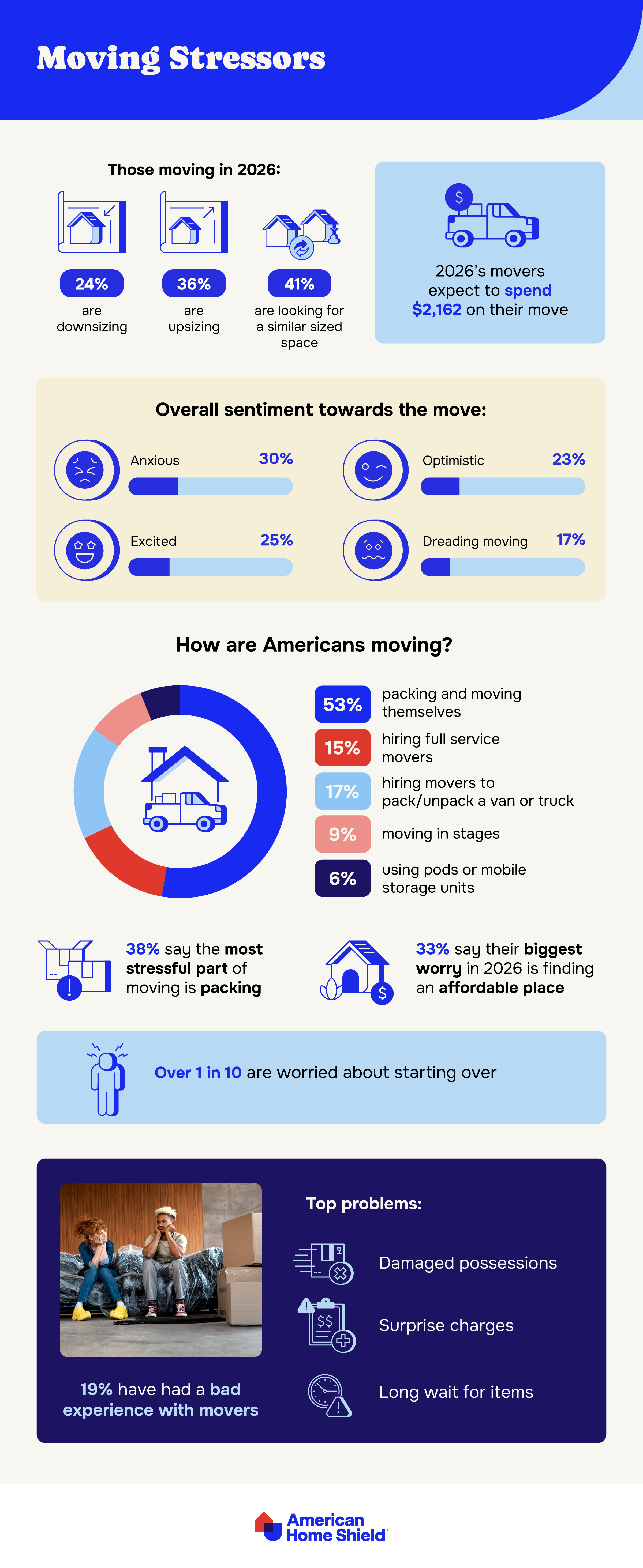
Throughout the report, the data is likewise broken down by movers to each of the four areas of the U.S. (Midwest, Northeast, South, and West) to determine any differences in motorists to various areas; local definitions can be found in the Approach section of the report. Countless Americans move and migrate throughout the nation, and this has actually been worsened by the surge of remote work and existing cost problems in the market.
Navigating the Home Buying Guide 2026
REAL ESTATE AGENT' current customers normally transferred to a comparable type of area (i.e. from one suburb to another). Those moving from main city/urban locations (41%) and resort locations (44%) most frequently moved to a rural location. In 2024, REALTORS reported that 36% of their clients relocated to a different state.
Amongst repeat purchasers, 74% sold their previous house when making their recent purchase, while 20% kept their previous home as a financial investment, rental, or holiday residential or commercial property. 94% of REALTORS' recent clients made an irreversible relocate to a brand-new area or place, while six percent are splitting their time in between their brand-new and previous places.
This is more typical amongst movers to the Midwest (24%) and the West (20%). In general, REALTORS' current customers selected to relocate to a specific area mainly to be closer to friends and family (30%) and to get more home for the money (21%). Secondary factors include the area having lower or more beneficial taxes (16%), it being a more secure area with less criminal activity (16%), and being closer to their work place (15%). Movers to the West were driven more than others by getting more house for the money (24%), while movers to the South were more driven than others by lower or more beneficial tax rates (19%), and movers to the Northeast were more motivated than others to move closer to their task location (22%). When asked to provide the one main reason for choosing to relocate to a particular location, the most typical motorist was to be closer to friends and family at 23%, followed by getting more home for the cash (12%), and being closer to work (9%).
Task area did not play a function in the purchase decision for 43% of real estate agent' current customers, as they continue to work from another location, while job location did impact 37% of movers who work at least some of their time in-office. Movers to the West and South were probably to report that job place did not play a function as they are working from another location.
Modern Techniques for Domestic Relocation in 2026
This was slightly more common among movers to the Midwest at 4%.
The Complete 2026 Relocation GuideIn 2026, Americans are still on the relocation and the patterns are clearer than ever. Sunbelt states continue to dominate as leading locations, budget friendly mid-size cities are pulling residents away from pricey seaside cities, and remote work flexibility keeps reshaping where individuals pick to live.
Every day, homeowners offer to us in one market and purchase in another providing us a front-row seat to where people are moving, why they're leaving, and what they're going after. This short article breaks down the most recent migration data, highlights the most popular cities and states individuals are moving to, exposes which positions they're leaving, and describes the driving forces behind the biggest relocation wave in a generation.
The Complete 2026 Relocation GuideOffer your home directly to Opendoor, so you can avoid all the hassle and months of unpredictability. Simply enter your address and get our offer with a few basic actions. Migration patterns in 2026 aren't brand new however numerous crucial patterns have accelerated, progressed, or reversed in manner ins which matter for anybody considering a relocation.

Latest Posts
Tips for Navigating Local Communities in 2026
2026 Shifts in Residential Moving
Upcoming Relocation Developments